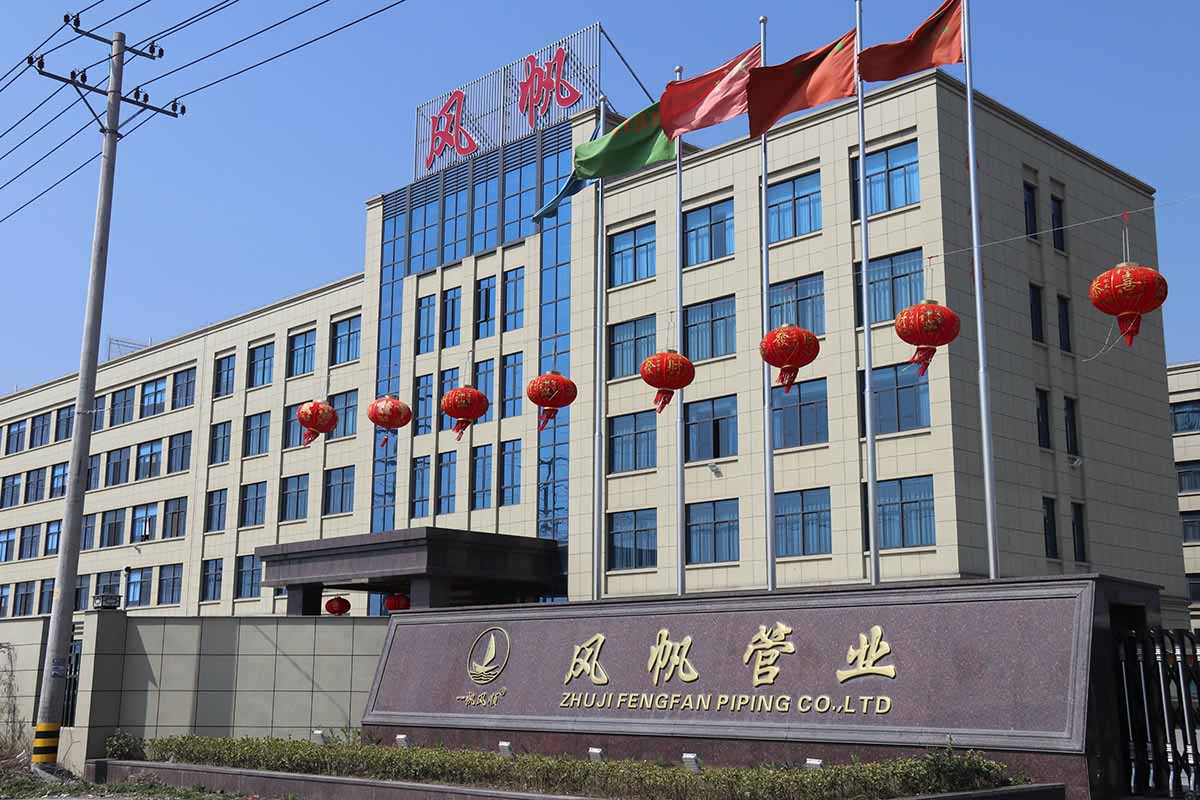
The Complete Guide to PPR Pipe Fittings: Properties, Applications, and Installation
In the world of modern plumbing and piping systems, materials matter. While copper, PVC, and galvanized steel have long dominated the market, a versatile and increasingly popular alternative has emerged: PPR (Polypropylene Random Copolymer) pipe fittings. Known for their durability, thermal resistance, and eco-friendly properties, PPR pipe fittings are revolutionizing residential, commercial, and industrial plumbing. This comprehensive guide will explore everything you need to know about PPR pipe fittings, from their composition and advantages to installation techniques and common applications.
What Are PPR Pipe Fittings?
PPR pipe fittings are components used to connect, terminate, control flow, or change the direction of PPR piping systems. Made from polypropylene random copolymer, a type of thermoplastic polymer, these fittings are designed to be fused with PPR pipes through a heat fusion process, creating a monolithic, leak-proof joint. Unlike threaded or glued connections, PPR fittings form a permanent bond that is as strong as the pipe itself.
The "random copolymer" designation refers to the molecular structure of the material, where ethylene molecules are randomly distributed within the polypropylene chain. This random arrangement enhances the material's impact resistance, flexibility, and long-term stability, especially under high temperatures and pressures.
Key Properties of PPR Pipe Fittings
1. Thermal Resistance
PPR fittings can withstand continuous operating temperatures up to 95°C (203°F) and can handle short-term peaks up to 110°C (230°F). This makes them ideal for both hot and cold water systems. For example, in a radiant floor heating system, PPR fittings maintain their integrity even when water temperatures reach 80°C.
2. Chemical Resistance
Polypropylene is inherently resistant to a wide range of chemicals, including acids, alkalis, and salts. PPR fittings do not corrode or react with most fluids, making them suitable for industrial applications such as transporting chemical solutions in food processing plants or pharmaceutical facilities.
3. Low Thermal Conductivity
PPR has a thermal conductivity of approximately 0.24 W/m·K, which is significantly lower than copper (401 W/m·K) or steel (50 W/m·K). This property reduces heat loss in hot water lines and prevents condensation on cold water pipes. In a residential hot water recirculation system, using PPR fittings can save up to 15% in energy costs compared to metal alternatives.
4. Smooth Interior Surface
The inner walls of PPR fittings are exceptionally smooth, with a roughness coefficient of just 0.01 mm. This minimizes friction loss, allowing for higher flow rates and reducing the risk of scale buildup or biofilm formation. For instance, in a large-scale irrigation system, PPR fittings can maintain consistent water pressure over long distances.
5. Lightweight and Easy to Handle
PPR fittings weigh about one-eighth of comparable metal fittings. A standard 90-degree elbow for a 20mm pipe weighs only about 15 grams, making transportation and installation much easier and less labor-intensive.
6. Long Service Life
Under normal operating conditions (20°C, 1 MPa pressure), PPR systems can last over 50 years. Even in demanding hot water applications (70°C, 1 MPa), the expected lifespan exceeds 25 years. This longevity reduces maintenance costs and replacement frequency.
Types of PPR Pipe Fittings
PPR fittings come in a wide variety of shapes and sizes to accommodate different piping configurations. Here are the most common types:
Elbows
- 45° Elbow: Used for gentle directional changes, often in drainage or vent lines.
- 90° Elbow: The most common fitting for sharp turns, such as connecting a wall outlet to a vertical pipe.
- Reducing Elbow: Allows change in direction and pipe diameter simultaneously, e.g., from 32mm to 25mm.
Tees
- Equal Tee: Three outlets of the same diameter, used for branching off a main line.
- Reducing Tee: One outlet has a smaller diameter, useful for connecting a smaller branch to a larger main.
- Female Threaded Tee: Includes a threaded metal insert for connecting to fixtures like faucets or valves.
Couplings
- Straight Coupling: Connects two pipes of the same diameter end-to-end.
- Reducing Coupling: Joins pipes of different diameters, e.g., 25mm to 20mm.
- Slip Coupling: Designed for repairs, allowing one pipe to slide inside for adjustment.
Caps and Plugs
- Cap: Seals the end of a pipe permanently.
- Plug: Used to close a fitting outlet temporarily, often in test scenarios.
Valves
- Ball Valve: Provides on/off control with a quarter-turn handle, ideal for main shutoffs.
- Check Valve: Prevents backflow, commonly used in pump systems.
- Gate Valve: Offers gradual flow control, though less common in modern PPR systems.
Adapters
- Male Adapter: Converts PPR to threaded connections for metal fixtures.
- Female Adapter: Allows a threaded male component to connect to a PPR socket.
- Flange Adapter: Used for bolted connections in large-diameter industrial systems.
Other Specialized Fittings
- Union: Allows easy disconnection of pipes for maintenance.
- Cross: Four-way fitting for complex distribution networks.
- Wye: Used in drainage systems for smooth flow transition.
- Bend: Long-radius curve for minimal pressure drop.
Advantages of Using PPR Pipe Fittings
1. Leak-Proof Fusion Joints
The heat fusion process creates a homogeneous joint where the fitting and pipe material merge. Unlike solvent welding (PVC) or threading (metal), there are no gaps or weak points. In a high-rise building, this eliminates the risk of leaks behind walls or ceilings.
2. Corrosion and Scale Resistance
Unlike metal pipes, PPR does not rust, pit, or develop scale. This is particularly beneficial in areas with hard water, where calcium deposits can clog copper pipes within a few years. PPR fittings maintain their internal diameter over decades.
3. Noise Dampening
PPR's inherent flexibility and density reduce water hammer noise and flow sounds. In a multi-story apartment building, PPR systems are significantly quieter than metal ones, improving occupant comfort.
4. Energy Efficiency
The low thermal conductivity of PPR reduces heat loss in hot water lines. A study by the European Plastic Pipes and Fittings Association found that PPR systems can reduce energy consumption by up to 20% compared to copper in hot water distribution.
5. Eco-Friendly and Recyclable
PPR is 100% recyclable. At the end of its life, the material can be ground down and reprocessed into new products, such as industrial piping or plastic lumber. Additionally, the production of PPR has a lower carbon footprint than copper or steel.
6. Cost-Effective
While the initial material cost of PPR fittings is comparable to copper, the total installed cost is often lower due to faster installation, lighter weight (reducing structural support needs), and lower labor costs. Over a 30-year lifespan, PPR systems typically have a lower total cost of ownership.
Installation Process for PPR Pipe Fittings
Proper installation is critical to realizing the benefits of PPR fittings. The process involves specialized tools and careful technique.
Tools Required
- PPR Welding Machine: A thermofusion device with interchangeable dies for different pipe sizes.
- Pipe Cutter: A ratcheting cutter for clean, square cuts.
- Deburring Tool: Removes sharp edges after cutting.
- Measuring Tape and Marker: For accurate placement.
- Safety Gear: Gloves and goggles to protect from hot plastic.
Step-by-Step Installation Guide
Step 1: Cutting the Pipe
Use a sharp pipe cutter to make a perpendicular cut. A crooked cut can lead to misalignment during fusion. For example, when installing a 90-degree elbow, ensure the cut is within 1-2 mm of square.
Step 2: Deburring and Cleaning
Remove any burrs or shavings from the cut end using a deburring tool. Even small imperfections can cause leaks. Wipe the pipe end and fitting socket with a clean, dry cloth to remove dust or moisture.
Step 3: Marking the Insertion Depth
Measure the depth of the fitting socket and mark this distance on the pipe with a marker. This ensures the pipe is inserted fully without bottoming out, which can create a weak joint.
Step 4: Heating the Components
Insert the pipe and fitting into the appropriate heating dies of the welding machine. The heating time depends on pipe diameter:
- 20mm pipe: 5-7 seconds
- 25mm pipe: 7-9 seconds
- 32mm pipe: 9-11 seconds
- 40mm pipe: 11-13 seconds
Do not overheat, as this can degrade the material.
Step 5: Joining
After heating, quickly remove both components from the machine and insert the pipe into the fitting socket with a gentle twisting motion (no more than 15°). Hold firmly for 10-20 seconds until the joint cools and solidifies. Avoid moving the joint during this time.
Step 6: Cooling
Allow the joint to cool naturally for at least 2-3 minutes before handling. Do not use water or compressed air to accelerate cooling, as this can cause stress fractures.
Step 7: Inspection
Check for a visible "bead" of molten plastic around the joint, indicating proper fusion. The bead should be uniform and continuous. If there are gaps or unevenness, the joint may be defective and should be cut out and re-done.
Common Installation Mistakes to Avoid
- Insufficient heating time: Leads to weak joints that may separate under pressure.
- Excessive heating: Causes material degradation and brittleness.
- Contaminated surfaces: Dirt, oil, or moisture prevents proper fusion.
- Misalignment: Even slight angles can stress the joint and cause leaks.
- Moving the joint during cooling: Disrupts the molecular bond.
Applications of PPR Pipe Fittings
Residential Plumbing
PPR is the go-to material for modern homes in Europe and Asia. Common uses include:
- Hot and cold water supply lines (e.g., from water heater to faucets)
- Radiant floor heating systems
- Solar water heating connections
- Rainwater harvesting systems
Example: In a typical 3-bedroom home, a PPR system with 20mm and 25mm pipes and corresponding fittings (elbows, tees, valves) can be installed in 2-3 days, compared to 4-5 days for copper.
Commercial Buildings
Hotels, hospitals, and office complexes benefit from PPR's durability and low maintenance:
- Centralized hot water distribution
- Fire sprinkler systems (where local codes permit)
- HVAC chilled water lines
- Laboratory plumbing for chemical resistance
Example: A 20-story hotel in Dubai installed PPR fittings for all guest room plumbing. After 10 years, there were zero reported leaks, and the system required no chemical descaling.
Industrial Applications
PPR's chemical resistance makes it valuable in:
- Food and beverage processing (e.g., transporting milk or juice)
- Pharmaceutical manufacturing (pure water systems)
- Chemical plants (acid and alkali handling)
- Compressed air systems (non-oiled)
Example: A dairy plant replaced stainless steel fittings with PPR in their CIP (Clean-in-Place) system. The PPR fittings resisted lactic acid corrosion and reduced installation costs by 40%.
Agricultural and Irrigation
- Drip irrigation networks
- Greenhouse heating systems
- Livestock watering systems
- Fertilizer injection lines
Example: A 50-hectare vineyard in Italy uses PPR fittings for its drip irrigation system. The fittings withstand UV exposure (when painted) and soil chemicals, lasting over 15 years.
PPR vs. Other Piping Materials
| Feature | PPR | Copper | PVC | PEX |
|---|---|---|---|---|
| Temperature Range | -10°C to 95°C | -50°C to 200°C | 0°C to 60°C | -40°C to 90°C |
| Pressure Rating | Up to 25 bar | Up to 40 bar | Up to 16 bar | Up to 12 bar |
| Corrosion Resistance | Excellent | Good (but can pit) | Excellent | Excellent |
| Joint Method | Heat fusion | Soldering/compression | Solvent welding | Crimp/expansion |
| Lifespan | 50+ years | 50-70 years | 25-40 years | 25-50 years |
| Recyclability | 100% | High | Limited | Limited |
| Noise Level | Low | High | Medium | Low |
Standards and Certifications
To ensure quality and safety, PPR pipe fittings should meet international standards:
- ISO 15874: International standard for PPR piping systems
- DIN 8077/8078: German standards for dimensions and quality
- ASTM F2389: American standard for PPR pipes and fittings
- NSF/ANSI 61: Certification for drinking water safety
- WRAS: UK approval for water supply applications
Always look for these certifications when purchasing fittings, especially for potable water systems.
Frequently Asked Questions (FAQ)
1. Can PPR pipe fittings be used for outdoor applications?
Yes, but PPR is UV-sensitive. For outdoor use, fittings should be painted with UV-resistant paint or covered with insulation. Alternatively, some manufacturers offer UV-stabilized PPR grades.
2. How do I connect PPR to existing metal pipes?
Use transition fittings such as male or female adapters with threaded brass inserts. These can be fused to the PPR side and threaded onto the metal pipe.
3. Can PPR fittings handle high pressure?
Yes, PPR fittings are rated for pressures up to 25 bar (362 psi) at 20°C. For higher pressures, use thicker-walled pipes (e.g., PN20 or PN25 series).
4. Is PPR safe for drinking water?
Absolutely. PPR is inert and does not leach chemicals into water. It meets NSF/ANSI 61 standards for potable water. It also resists bacterial growth better than metal pipes.
5. How do I repair a damaged PPR fitting?
If a fitting develops a leak, the affected section must be cut out using a pipe cutter. Then, use a slip coupling or a union to install a new fitting. Do not attempt to patch or glue PPR.
6. What is the difference between PPR and PPR-AL-PPR?
PPR-AL-PPR (aluminum-laminated) pipes have an aluminum layer sandwiched between two PPR layers. This provides higher pressure resistance, lower thermal expansion, and 100% oxygen barrier, making them ideal for underfloor heating.
7. Can I use PPR fittings for compressed air?
Yes, but only for non-oiled (instrument-quality) air. The material is compatible with dry compressed air. For oil-lubricated systems, check compatibility with the lubricant.
8. How do I store PPR fittings?
Store in a cool, dry place away from direct sunlight and heat sources. Keep fittings in their original packaging to prevent dust contamination. Avoid stacking heavy objects on top.
9. What is the maximum length of a PPR pipe run without expansion joints?
Due to thermal expansion, PPR pipes expand about 0.15 mm/m/°C. For long straight runs (over 10 meters), install expansion loops or bellows to absorb movement.
10. Are PPR fittings compatible with all PPR pipes?
Generally yes, but ensure both pipe and fitting are made from the same PPR material (e.g., PPR Type 3). Mixing different grades can lead to poor fusion. Always buy from reputable manufacturers.
Conclusion
PPR pipe fittings represent a modern, reliable, and sustainable solution for a wide range of piping needs. Their unique combination of thermal resistance, chemical inertness, and ease of installation makes them a superior choice over traditional materials like copper and PVC in many applications. From residential hot water systems to complex industrial networks, PPR fittings deliver leak-proof performance, long service life, and cost savings.
The key to success lies in proper installation: using the right tools, following correct heating times, and ensuring clean, dry surfaces. When installed correctly, a PPR system can provide decades of trouble-free service, reducing maintenance headaches and environmental impact.
As global demand for sustainable and efficient plumbing solutions grows, PPR pipe fittings are poised to become the standard for new construction and renovation projects worldwide. Whether you are a homeowner planning a bathroom remodel, a contractor building a high-rise, or an engineer designing a chemical processing plant, PPR fittings offer a versatile and future-proof choice. Embrace the polymer revolution—your pipes will thank you.